There is a common misconception that Black History Month began under MLK Jr., but actually, the celebration originates from Chicago in 1915. During the summer of 1915, Carter G. Woodson, an alumnus from the University of Chicago, traveled to Washington, D.C. to participate in celebrating the 50th anniversary of emancipation in the United States. Thousands of African Americans flocked to Illinois for the festivities, rejoicing in a sea of freedom. At this three-week long event, Woodson became inspired to create an organization to promote the study of Black lives. This idea came to life on September 9th, 1915 when Woodson met with four others to form the Association for the Study of Negro Life and History (ASNLH).
Nearly a decade later, in 1924, Woodson and his associates established the Negro History and Literature Week, which eventually became Negro Achievement Week. This recognition was significant in promoting the achievements of Black individuals and researchers across the world, but Woodson had bigger plans. In 1925, he expanded the ASNLH’s outreach, releasing a press announcement commencing Negro History Week, an event to take place the following year in February.
February is a unique month, for it celebrates two very important lives in African American history. Abraham Lincoln and Frederick Douglass were both born in February. Lincoln abolished slavery and Douglass was an outstanding leader in the fight for civil rights. Both had continued to be celebrated each February since their passing. So, Woodson’s idea to celebrate African American history wasn’t necessarily a new idea. Rather, he wanted to expand celebration, to expand the study of black history. However, disguised under this celebration of Lincoln and Douglass, Woodson aimed to change the narrative. He believed this month should not just celebrate two figures in Black history, but instead, study and recognize the race as a whole. In this mission, Woodson formed Negro History Week, expanding in scope and influence. During the civil rights movement of the 1960s, it evolved into what we recognize as Black History Month. Today, we honor Black culture by attending education events, supporting Black-owned businesses, and consuming media created by Black artists. At parades and other community events, people often engage in discussions surrounding civil rights and social justice within the Black community.
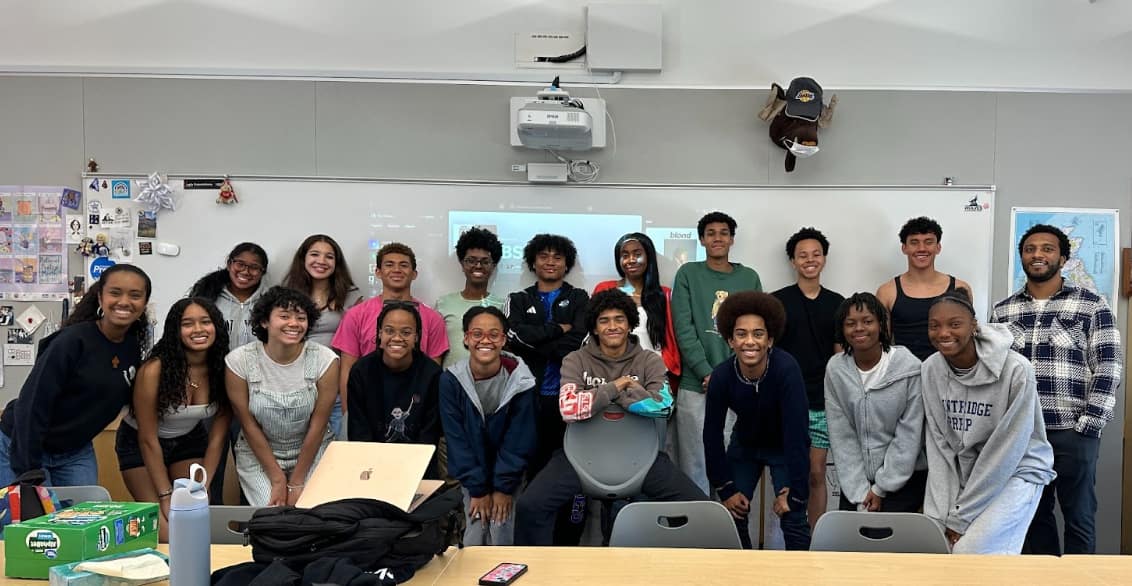
At Flintridge Prep, Black History Month is more than just history, it is a celebration of community. Barrett Jackson, member of Black Student Union, was kind enough to answer a few questions surrounding the purpose of Black History Month.
DD: What does Black History Month mean to you?
BJ: Black History Month is about reflection and responsibility. It’s a time to honor the resilience and brilliance of Black leaders from the past, but also to recognize that Black history is still being written today, whether that’s through culture, leadership, or everyday impact.
DD: Is there a historical figure that inspires you most?
BJ: I’m really inspired by Martin Luther King Jr. His speeches and courage to challenge injustice when it wasn’t necessarily popular have shown me since I was young to stand strong in the face of adversity. Both his moral clarity and willingness to evolve publicly have really stood out to me.
DD: What is the mission behind BSU (Black Student Union)?
BJ: BSU’s mission is to create a space for belonging, honest conversation, and leadership. It’s about building a community for our culture, while also educating and engaging within the broader school.
DD: How is BSU celebrating this month?
BJ: Throughout the year, but especially this month, we highlight Black culture. Every month or so, we host a conversation between BSU members and a Black leader within our community, which is always open to the entire school. We’ve had people like Courtney B. Vance come and speak to students about his experience as a Black man in the industry. But most importantly, this month we plan to teach fellow students about Black culture, whether it be through meals that the Prep Kitchen serves at lunch or presentations about Black figures during morning or club meetings. Ultimately we are looking for students to engage with Black culture and celebrate our heritage in meaningful ways.
DD: What do you hope students take away from this month’s celebration?
BJ: I hope students leave this month with a deeper understanding and appreciation for Black culture, as well as a sense of responsibility to continue building a more inclusive community for everyone in their daily lives.
Evidently, this month is much deeper than just a quick study of Black history. It commemorates all the voices of the past, present, and future who see struggle, overcome adversity, and help shape the world we live in. Even today, we can continue to build a more inclusive environment at our school by listening to different perspectives and supporting one another.
![Class of 2026 Takes Part in a “[F]antastic” Game of Senior Assassins](https://mlluv3biwjhe.i.optimole.com/w:1018/h:654/q:mauto/f:best/https://theflintridgepress.com/wp-content/uploads/2026/05/Screenshot-2026-05-05-at-8.47.44-AM.png)