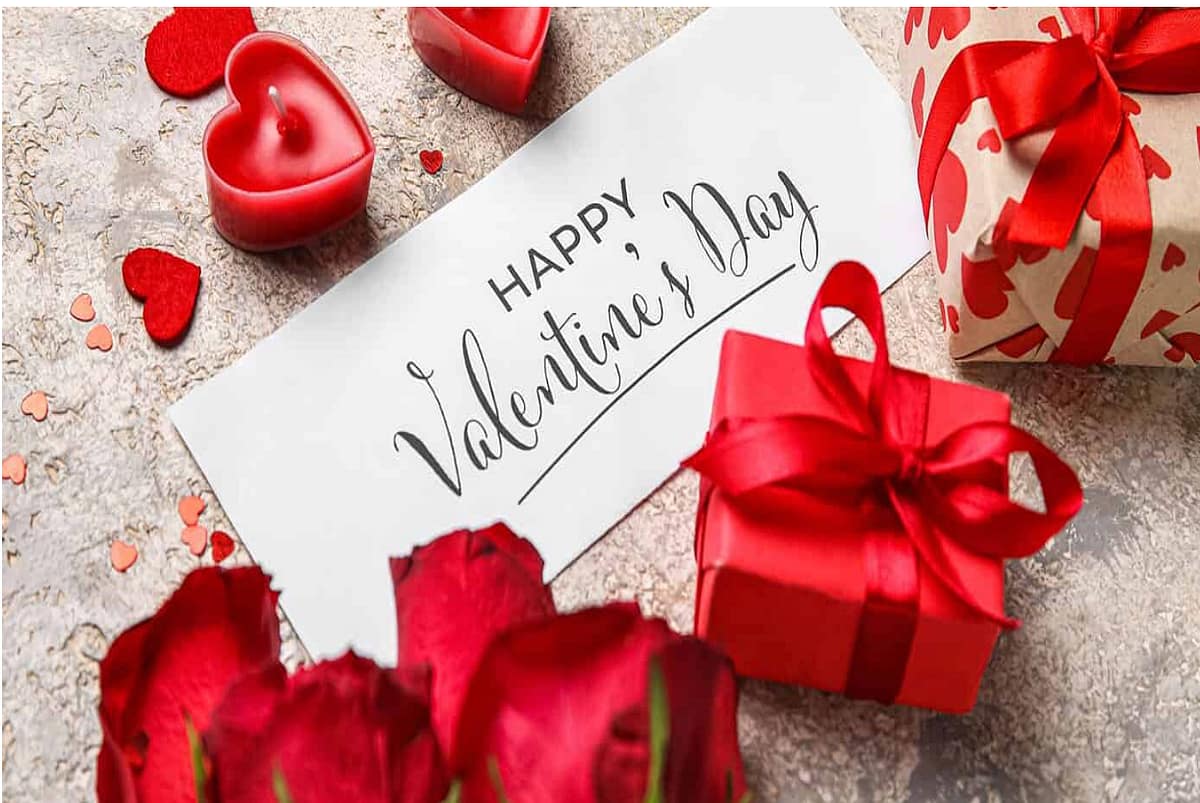
From chocolate boxes and candy hearts to flowers and date nights, Valentine’s Day is an explosion of sugar, color, and love. And whether you were off celebrating with that special someone or alone in your room contemplating your life choices, it’s evident what a cultural phenomenon Valentine’s Day is. So what makes it so popular?
The Corporate Scheme
First and foremost, Valentine’s Day in the modern era is a corporate ploy to amass immense spending by capitalizing on the innate human desire for love. The National Retail Federation (NRF) estimates that $29.1 billion will be spent on the holiday this year. The country will be showered with some 250 million roses, $5.2 billion in chocolate and candy commerce, and $6.5 billion in jewelry sales. So while people are embracing their loved ones, companies are profiting. No wonder we see thousands of ads to promote Valentine’s Day consumerism every year. Despite its deep roots in capitalism, Valentine’s Day also holds important cultural significance.
The Origins
Originally a commemoration of the Christian martyr St. Valentine, Valentine’s Day evolved to become intertwined with the existing pagan holiday Lupercalia of the Roman Empire and eventually a secularized celebration of love around the world. However, the holiday did not gain its romantic connotation until English poet Geoffrey Chaucer wrote about lovers finding their matches on Saint Valentine’s Day in his Parliament of Fowls. Additionally, one of the first Valentine’s Day celebrations was the Court of Love issued by Charles VI of France, where lovers would woo maidens of high society through song, poetry, dance, and jousting. And while these events may not be represented as much in modern society, many countries around the world have adopted this Western celebration of love, some even blending it with their own traditions.
For example, many Latin American countries like Mexico and Costa Rica know Valentine’s Day as Día de los Enamorados, while multiple Asian countries like Taiwan combine it with existing celebrations where both Valentine’s Day and the traditional Qixi Festival are celebrated during the year. At the end of the day, Valentine’s Day maintains an important cultural power globally, reminding us to choose love instead of hate.
My Take on Valentine’s Day
From superficial candy exchanges in elementary school to years of the holiday being moved past with little celebration, Valentine’s Day has always had an empty place in my heart. And while mainstream media might convince you that Valentine’s Day is all about finding and spending time with a romantic partner, this year, I will be celebrating the holiday with a different purpose. Perhaps Valentine’s Day was never solely based on romance but the broader nature of human expression. Thousands of love songs every year are written on or about Valentine’s Day, and the music resonates with people across the world. Even the romantic connotation that the holiday prides itself in was spawned out of a poem. So while I won’t be one to tell you that it is all about self-love, the power of Valentine’s Day is not just romance but the ability of all people to define how they feel about love or the lack thereof. Whether it be a consumerist holiday or an old Christian tradition spread across the world, Valentine’s Day is ultimately about the nuanced and unique human ability to love.