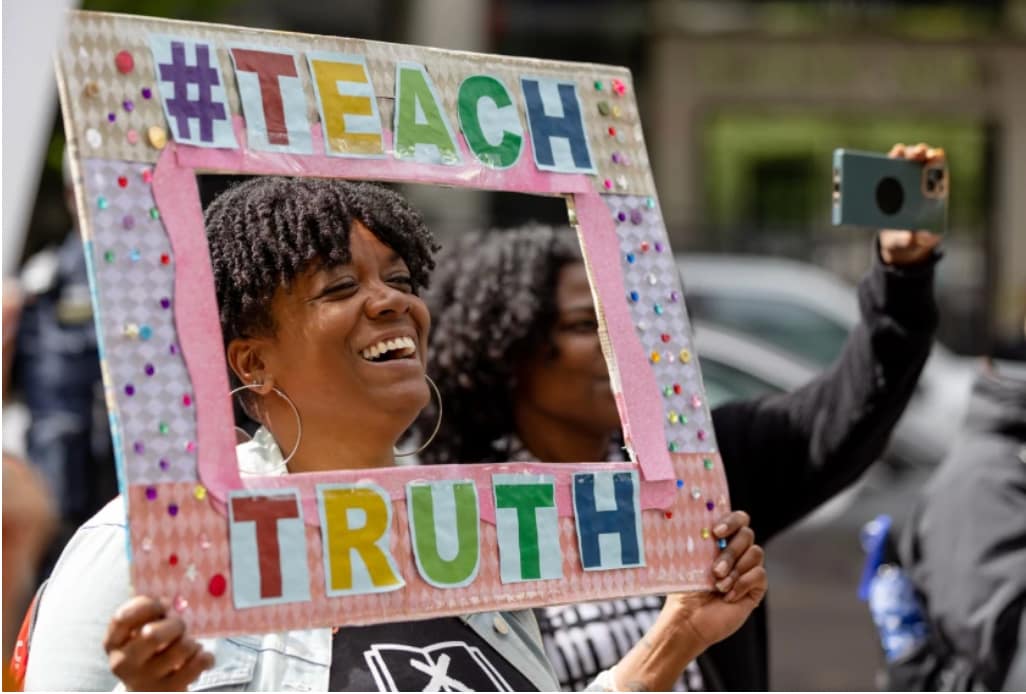
On a chilly September morning, dozens of parents, students, and educators gathered outside the Hartford County Board of Education building in Maryland. Protesters held copies of Flamer, a graphic novel by Mike Curato, that incorporates themes of friendship, bullying, sexuality, and self-discovery. Protesters staged a “read-in”, following the book’s removal from the district’s libraries after complaints of vulgarity from parents. Similar debates are unfolding in school board meetings across the country, as overprotective parents attempt to control the content their children are exposed to, actions that stem from fear and hate.
Throughout the United States, parents have become increasingly vocal, advocating for the removal of books they deem “inappropriate” for young audiences. Many believe that they are protecting their children from overly explicit, sexual, or controversial themes. Ostensibly, this appears as an action of innocent protection and care. However, there is a concerning pattern with the books that are being taken off the shelf. Many of these books contain themes of race, self exploration, gender identity, and LGBTQ+ experiences. According to the American Library Association, in 2024 there were 2,452 unique titles banned, with 47% of those titles representing the experiences and voices of LGBTQIA+ individuals. It should be no surprise that the most banned book that year was All Boys Aren’t Blue, a memoir by George M. Johnson about his experience growing up queer and Black. The pressure from parents, organized campaigns, and school boards has resulted in the direct removal of these books from shelves, limiting access to students.
Removing books from schools and library shelves limits more than reading options; it also threatens students’ ability to think critically. Literature challenges readers to examine controversial ideas, analyze contrasting perspectives, and navigate complex social and moral issues. Book bans restrict opportunities for intellectual growth, leaving overprotected children less prepared for social challenges that may face. Not to mention, books that center around diverse voices build empathy. When students read stories about people whose lives differ so much from their own, including LGBTQ+, students of color, and struggles of gender identity, they build empathy for people who have unique struggles in comparison to their own lives. Banning these books removes those opportunities, making students less informed about the struggles that others go through. For students who do identify within these marginalized groups, the impact of banning books is equally profound. Children lose access to stories that reflect similar experiences to theirs, leaving them without resources or guidance to navigate their own identities.
So, what are we so afraid of? Are we frightened of difference, of ideas that challenge our assumptions, of perspectives that help to further our learning and understanding? The act of banning books reveals a deeper anxiety about confronting complexity and diversity. Yet curiosity, critical thinking, and empathy remain stronger than fear. Books invite students to question, to reflect, and to connect with experiences beyond their own. They teach us to see the world from so many angles. Does delaying the encounter of drugs, drinking, and racism truly protect our students? I think not. Shielding young readers from these stories does not prepare them for the world; rather it leaves them unprepared for life beyond their parent’s control.