For 137 years, the Rose Bowl has stood as college football royalty–a blend of tradition, heritage, and elite competition. For many college football fanatics, it is more than just a game, but rather a New Year’s Day ritual that connects generations of fans and players. Nicknamed “The Granddaddy of them All,” the Rose Bowl represents the longest tenured game in all of College Football, with its origins dating back to 1902. Its first game, played as part of Pasadena’s Tournament of Roses Celebration, has now developed into one of America’s richest New Year’s Day traditions. Its history is woven into college football lore, serving as the venue for some of the greatest games ever, including Texas’s legendary 2006 BCS championship over USC and UCLA’s upset of #1 Michigan State in 1966.
While many aspects of the Rose Bowl have changed over the years, its core traditions remain, such as its impressive marching bands, astonishingly elaborate floats in the preceding Rose Bowl Parade, and the 1 pm start time every single New Year, rain or shine. Its format, serving as a bowl game between two of the most elite teams in all of college football, has evolved, most recently serving as one of the College Football Playoff Games. This year’s edition was a clash of two college football titans, undefeated #1 Indiana and old-time powerhouse Alabama. The Crimson Tide, led by quarterback Ty Simpson and sporting a record of 11-3, rolled into Pasadena with 7 previous Rose Bowl victories, hoping to carry on the legacy of preceding Alabama champions. The 2025 Indiana Hoosiers, a relatively new team to this elite spotlight, have quickly taken college football by storm, vengefully mowing through all in its path. Led by head coach Curt Cignetti, this Indiana team has gone through an astonishing transformation, moving from the 2023 team that finished last in the Big Ten to college football’s premier team in the country.
After winning the coin toss conducted by Rose Bowl Grand Marshall Magic Johnson, the Crimson Tide elected to kick off, and the game was underway. Both teams got off to a slow start, with a strong defensive front allowing no points through the first quarter. Then the Hoosiers suddenly erupted, running up 17 points in the second quarter, with Heisman Trophy winner Fernando Mendoza firing two touchdowns to put Indiana ahead. From there, Alabama head coach Kalen Deboer had no answer for the number 2 offense in the country, allowing another touchdown while scoring none themselves, before finally cashing a field goal through the uprights in the third quarter, still down 24-3. Alabama would attempt to make a switch at quarterback, benching injured quarterback Ty Simpson for backup Alex Mack, to no avail. The Hoosiers continued their pounding on Alabama’s demoralized defense until the very last second of the game, finally bringing their slaughter of this once elite Alabama team to a close with a final score of 38-3. For Indiana, this lopsided victory signaled just another checked box to their dominant, undefeated season, while for the Crimson Tide, this crushing defeat indicated another signal of Alabama’s fading dynasty.
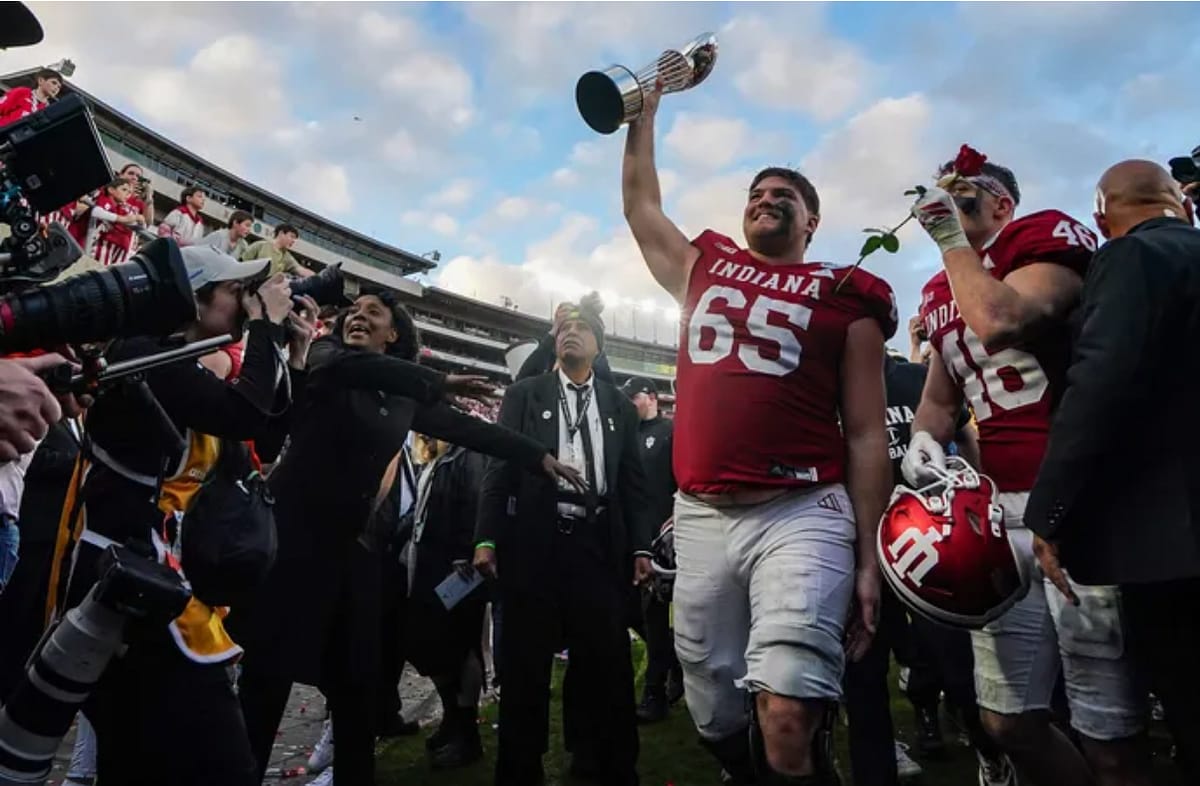
As the final whistle blew, the Rose Bowl proved once again why it holds such a special place in college football history. As the Hoosiers lifted the Leishman trophy on that cloudy afternoon, Indiana’s statement win added another chapter in “The Granddaddy of Them All,” reminding fans of the magic of the Rose Bowl for yet another year.